
“Every port is different”: Inside the rescue mission supporting women after trauma
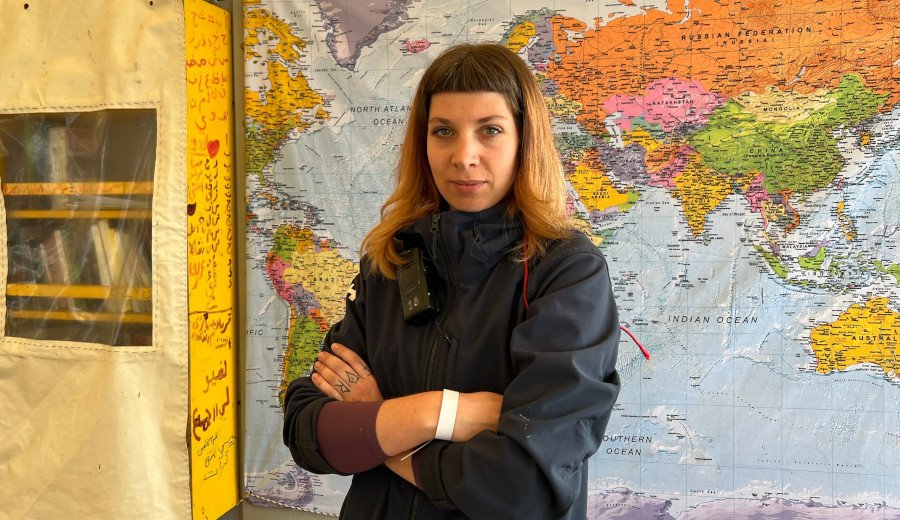
Stefania, a protection officer, in the initial reception area of Humanity 1
Story and photos by Marta Abbà

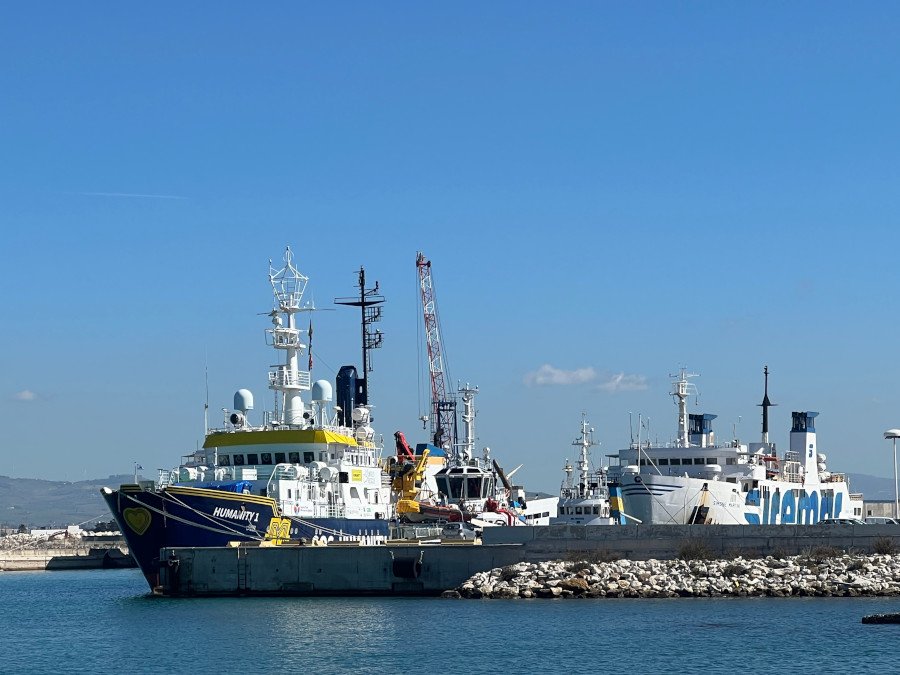
The Humanity 1 rescues people who become endangered as they attempt to cross the Mediterranean, one of the deadliest migration routes in the world. Marta Abbà spent time on the ship, meeting the crew dedicated to supporting women who are escaping traumatic experiences like gender-based violence, war and forced marriage.
“We cannot know what people will find once they reach land,” says Stefania, a protection representative on the Humanity 1, a search and rescue ship. Owned by SOS Humanity, a German non-profit, the vessel has a crew of 28 who provide medical and psychological care, as well as clothing and food to people rescued at sea. “Every port is different; procedures, organisations, resources,” she adds. “We don’t know what specific support women will receive. But we can prepare them as best as possible, providing tools, information, and initial guidance.”
Stefania records survivors’ data as soon as they board, determining who is in a family unit, and identifying unaccompanied minors, women traveling alone, and pregnant women. “Many women have experienced violence, but they don’t always say so,” she explains. “You can see it in their eyes, often distant, empty. You cannot force it. You have to find a way to approach them without invading their space.”
Clarisse, the mental health officer, has the role of listening and suggesting coping strategies to deal with trauma. “We cannot solve everything,” she says, “but we can prevent trauma from becoming something far worse. Many women do not yet realise they have been victims of violence, or they cannot talk about it at that moment. Broaching these subjects carries enormous responsibility. We cannot leave them exposed without follow-up, without knowing what awaits them on land.”
A floating care network
Decisions made aboard the ship balance what is urgent with what can be followed up on land. Every gesture, conversation, and piece of information is meant to equip survivors with practical tools for an uncertain tomorrow. It is not absolute protection, but it reduces vulnerabilities providing guidance and reassurance. Frances, the care coordinator, explains further: “After a rescue, my job is to coordinate the work of the care team as a collective unit: doctor, nurse or paramedic, midwife, mental health officer, the protection representative who helps survivors understand their rights, and the cultural mediator, who facilitates communication between everyone on board. Our goal is to provide holistic, survivor-centred, trauma-informed care as one team. To do this we need to have an overview as well as understand each survivor’s individual condition. We set the priorities together to provide the best possible care with the resources we have.”
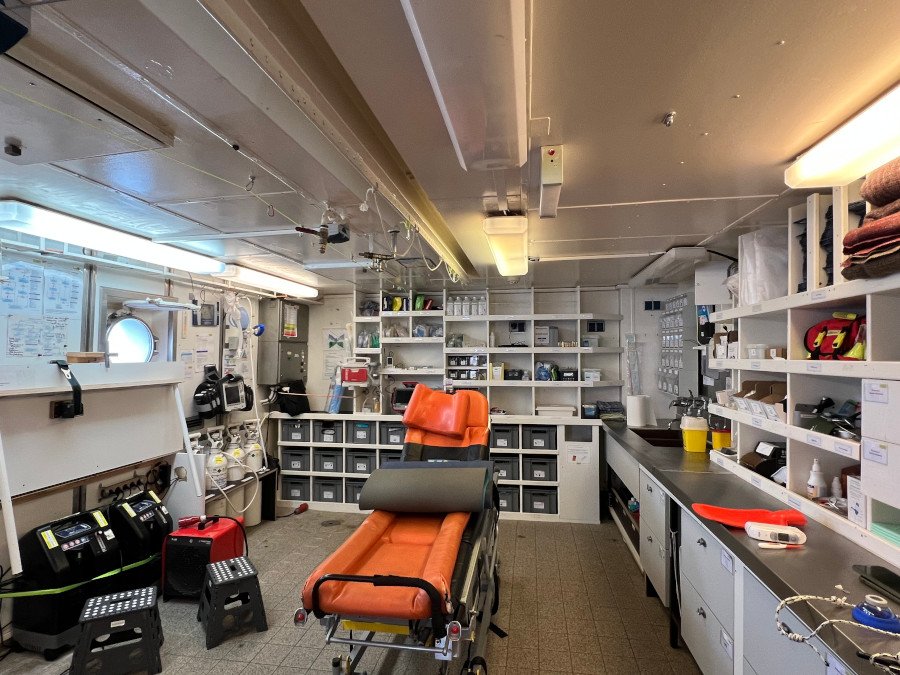
Working with women requires paying specific attention to their circumstances. “We cannot resolve their trauma,” Frances continues, “but we can provide tools like clear information, useful contacts, dedicated sessions, private spaces to talk, and guidance on how to seek support on land.”
“Many women do not realise they have been victims of violence. We cannot leave them exposed without follow-up, without knowing what awaits them on land.”
She describes complex cases: “It is especially difficult to identify women who may be victims of trafficking or sexual exploitation, and to do so formally in the short time spent onboard would be impossible. But we can see warning signs, inform them of their rights, provide psychological support, and indicate how to seek specialised support once on land.”
Numbers make the challenge stark. In a 2025 landing in Bari, Italy, 80 out of 103 rescued people were women, many pregnant or with young children. Globally, 49% of refugees are women and girls, and 70% are affected by poverty. Reasons for fleeing include war, political persecution, environmental disasters, gender-based violence, forced marriages, female genital mutilation, and sexual assault.
After the sea: Preparing women for the future
The common thread in every mission is preparing for uncertainty. The ship’s crew provides immediate protection, psychological support, medical care, and legal information – tools that help make the future manageable.
Midwife Cate says the biggest challenge is for women who have experienced abuse. “Confronting traumatic experiences, knowing that on land there will be new uncertainties. But teamwork helps, I never feel alone. There is space to share emotions and process what we see, so we can provide effective support.”
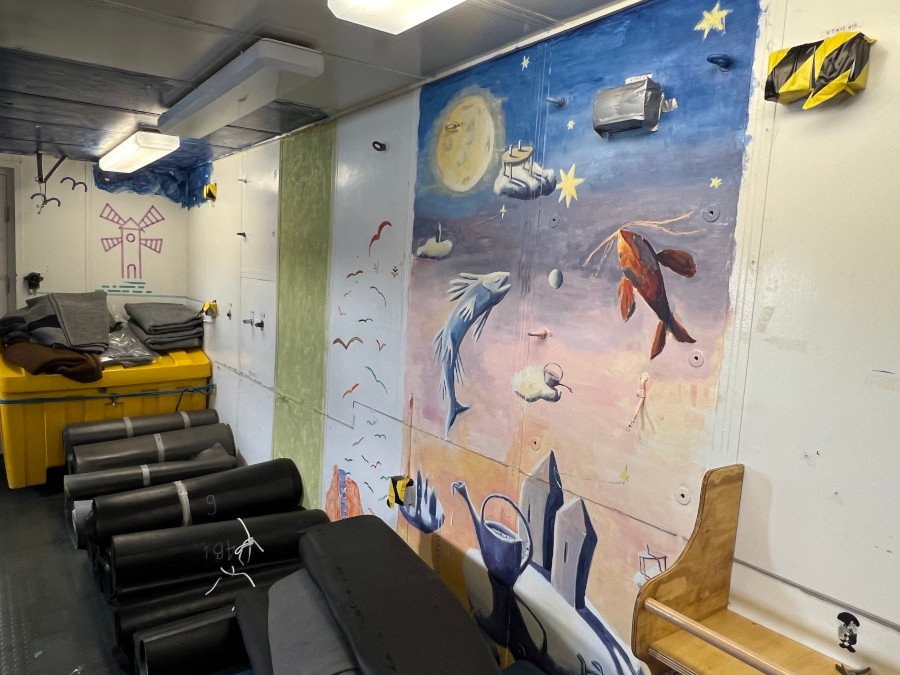
The work on the Humanity 1 is a constant balance between emergency response and preparation. “Our goal is to provide the tools for what comes next: information, contacts, guidance on medical or legal services,” Frances says. “Knowing where to go, who to turn to, and how to access support can change perspective and reduce anxiety. This allows women to face the future with more confidence.”
“We cannot impact what awaits people on land, but we can do our best to help them navigate the next part of their journey.”

READ MORE